Blogs
-
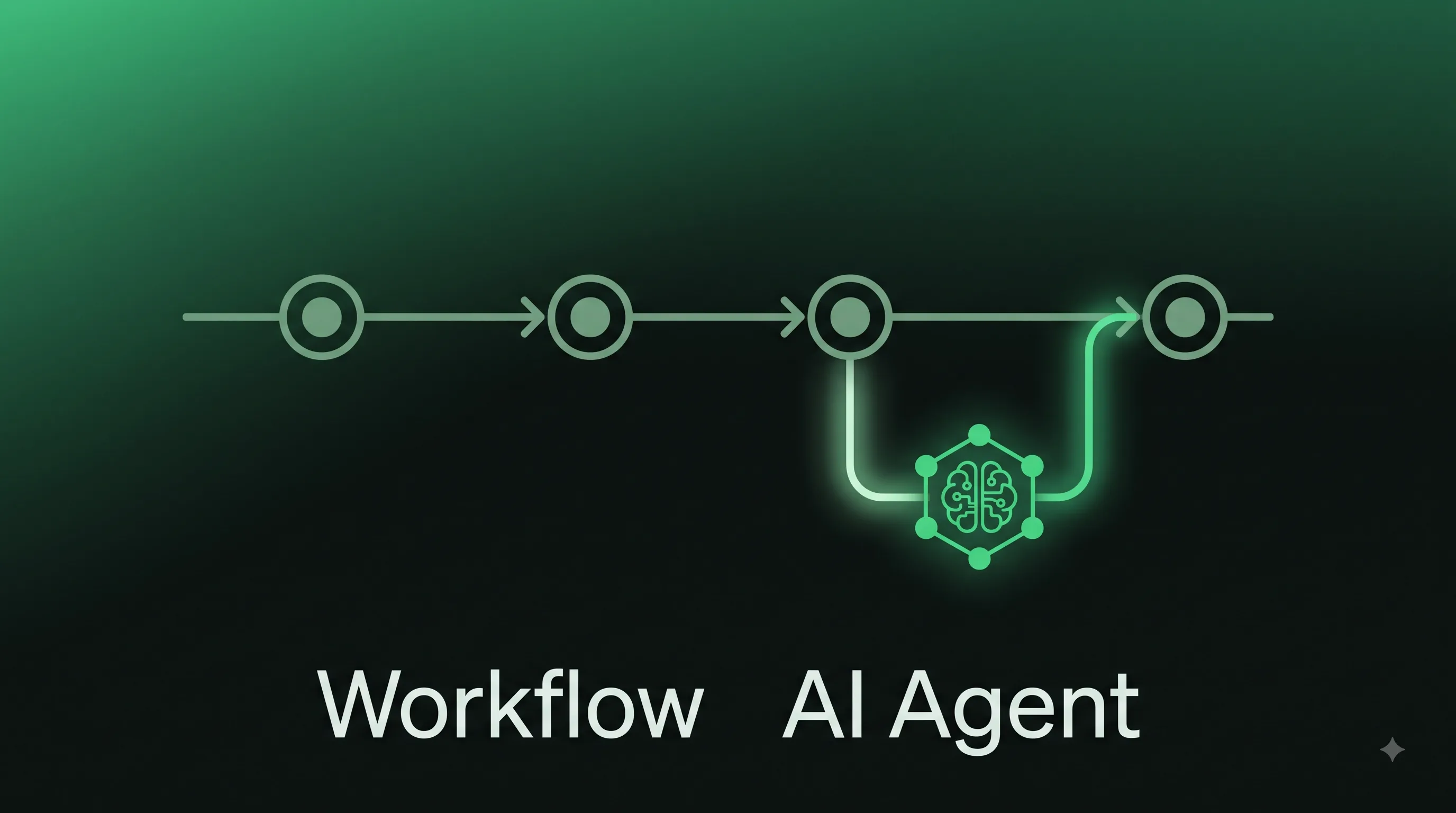
[In Practice] Workflow and Agent
I’ve just wrapped up a phase of work, so it’s a good time to write up some recent dev notes and the thinking behind them. Back in early April this year, I got an email from Richard, one of the maintainers of Hive. We traded views on AI agents. Here’s what I wrote back, translated from the Chinese original: Hi Richard, I apologize for the delayed response; your email was mistakenly filtered into my spam folder. First of all, I'm very pleased that you've noticed my development work. I will briefly share my perspective on AI agents and their applications, but this is strictly my personal view. If you have different thoughts or opinions, I welcome you to reply so we can discuss and exchange ideas. Regarding the currently popular AI agents, I actually haven't used similar types of agents, such as OpenClaw, at this stage. The reason is that for most of my current needs and habitual use cases, I can handle them by creating workflows myself through AI-coding. I currently don't require an agent to automate every task for me, perhaps simply because I haven't yet encountered a scenario where that specific need arises. I've observed that many users in the community don't clearly distinguish between the respective functions of workflows and AI agents, which is why we often see complaints about excessive token consumption. In reality, many requirements follow fixed process patterns. For these scenarios, it is highly suitable to organize them into workflows that are executed via crontab or event triggers. In this context, token usage is zero, and the stability of the process is significantly increased. I have been following the Hive project, but I haven't had a chance to dive into it yet, and I apologize if that is disappointing. I have looked at some of the project's content, and I believe if I have a future use case, I will prioritize adopting it. I will certainly reach out at that time to discuss and exchange thoughts with you on any functional matters. Thank you. BR, Tai And his reply
-
[Dev] Speed Camera OUT! Building My Own Android Auto Speed Camera Alert App
Prologue: Three Things I Could Not Stand If you drive, this has probably happened to you: your dashcam proudly advertises “built-in speed camera alerts”, the feature is switched on, and one day a ticket still shows up in your mailbox. The newly installed camera simply was not in the database. After digging into this product category, I found three fundamental problems: First, dashcam map data never updates itself. The built-in camera database is a snapshot from the day the device left the factory. Updating it means hunting down a file on the vendor’s website, pulling out the SD card, and flashing it through some buried menu. Most people never do it even once, so the data stays frozen in whatever year they bought the device.
-
[Dev] Why Every Developer Needs a Dedicated AI Skill Bundle
Lately, while tinkering with various AI development projects, I’ve constantly felt a bit stuck. Every time I needed to make an AI Agent smarter in a different environment, I found myself doing the same repetitive chores—digging through old repos for a skill I’d written before, and then tweaking it for the new project. To solve this pain point, I put together an open-source project: skills-bundle. To be honest, I believe that everyone using AI Coding nowadays should maintain their own skill bundle. The concept is just like how everyone has a personal toolbox at home, filled with the wrench and hammer you’re most comfortable using.
-
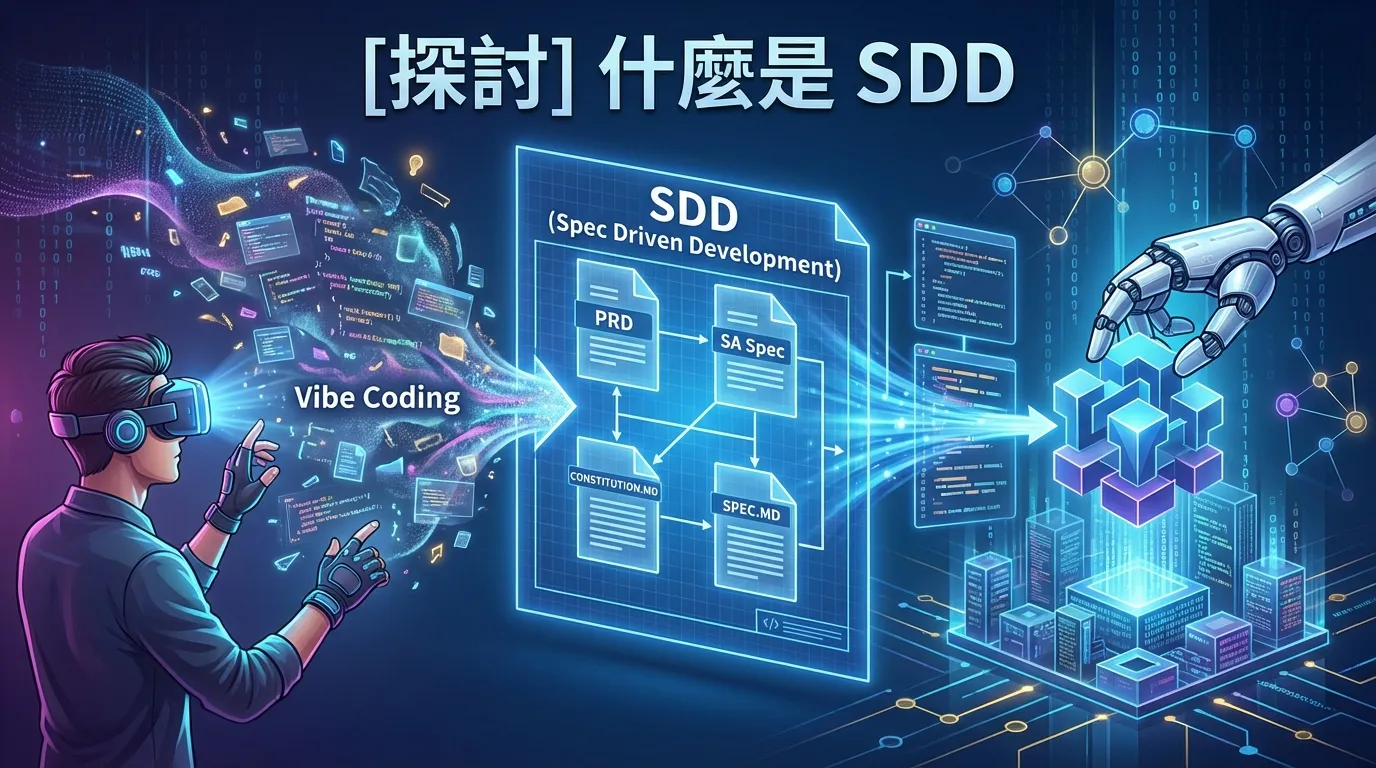
[Deep Dive] What is SDD?
The term SDD (Spec Driven Development) has been popping up everywhere this past year, and in Taiwan, it has become incredibly “hot” over the last six months. In a recent side project, while I was researching fully automated AI coding workflows, I decided to take a serious look at the core philosophy behind this buzzword. The Traditional Software Development Workflow As the old dev proverb goes: “If it works, don’t touch it.” Since traditional development processes have birthed some of the world’s greatest works, there must be a solid logic behind them.
-
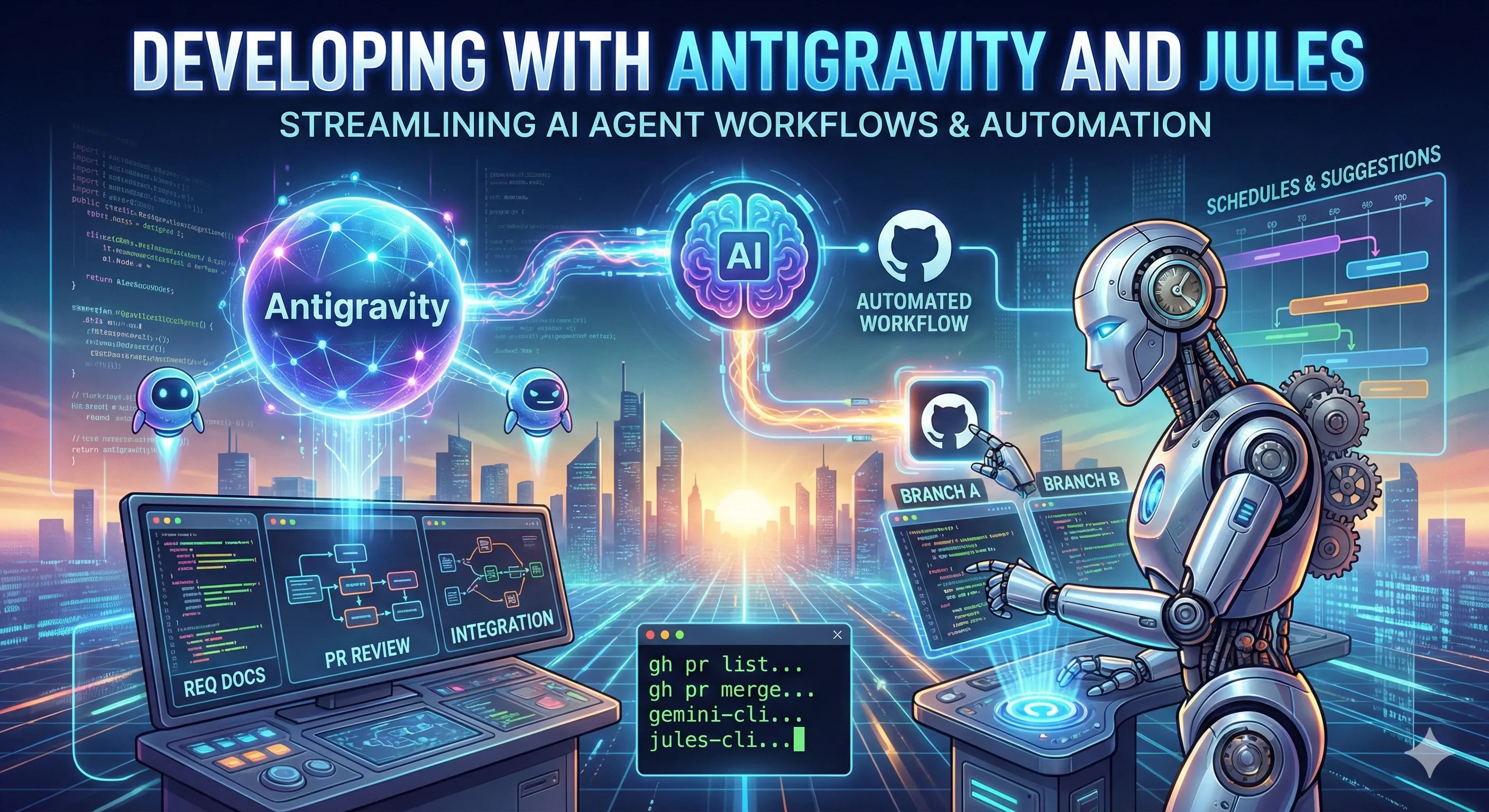
Developing with Antigravity and Jules
Since the release of Antigravity, I have been using it to develop various projects of all sizes. Preface: I Also Want to Develop the Lazy Way Watching more and more developers in the community work day and night with Claude Code to achieve long-term, continuous AI Agent project development made me want to see how far I could go with Antigravity. As a big fan of Google products, I have high expectations for Antigravity!
-
[Personal] 2025 Annual Investment Performance Review
My overall investment performance for this year is conservatively estimated to be around 37.37% or higher. Although in terms of actual total profit amount, it wasn’t as good as last year, the overall performance still outperformed the market index. Calculation Method To ensure the accuracy of the performance calculation, I used the following methods: Taiwan Stocks: Compared utilizing brokerage statements. Since there were stock pledging activities and significant capital movements to US stocks this year, simply looking at market value would be inaccurate, so statements were used as the standard. US Stocks: Charles Schwab: Positions remained in the market, so I directly used the unrealized/realized P&L provided by the brokerage. HSBC (Sub-brokerage): Compared utilizing statements. Exclusions: Cash positions on hand and Bitcoin (BTC) are not included in this performance statistic. Review (Mistakes) The April Correction: Although I had kept some cash in reserve beforehand, due to FOMO, I entered the market too quickly via “left-side trading” (buying the dip prematurely). As a result, I still took a significant hit from the panic selling correction. Short-term Operations: During the NBIS pullback in late October, I was initially too conservative. The 5-day chart showed clear volume, and I should have added to my position then, but I didn’t. I entered a day late and missed out on roughly 7% gains. Extension: Later, caused by FOMO from this missed opportunity, and combined with news of AI shorting, when NBIS pulled back again, I once again persisted with left-side trading and added to my position. I entered too early and increased my exposure significantly (bringing the weighting close to 25% of my US portfolio). After calming down and re-evaluating, I decided to cut my losses and reduce the position to 5% of the total portfolio. This back-and-forth effectively wiped out the short-term gains made earlier. Taiwan Stock - GlobalWafers (6488): I was stuck in this position for quite a while. I should have started slowly exiting when it touched 580, but I didn’t. Even when it slowly retreated to 500, I didn’t realize I should exit. In the end, I ate a limit-down (10% drop) directly and only ran the next day. The loss on this trade was heavy, almost wiping out all my gains from Taiwan stocks this year. Good Operations This Year The April Correction (Redemption): Although I mentioned bad operations during the April dip earlier, I made immediate corrections later. Once I confirmed the market had entered the “right-side” (trend confirmation), I followed the trend and opened a position in AMZN. Looking back now, this operation was correct. Extension: Next time a similar situation occurs, I should directly sell broadly diversified index positions (VOO, QQQ) and switch into 3x Leveraged ETFs or Tech Giants during the buy-in. Catching this kind of rebound contributes significantly to the annual performance performance. November Correction: I picked up RKLB around the end of November. Looking back now, it was a very good choice. GGLL, NVDL: I successfully took profits and exited at relative highs. Especially GGLL - I have always been a GOOGLE solo-stan. After realizing the stock had significant growth potential, I opened a position in GGLL. After the browser antitrust investigation concluded in September, I also exited GGLL with the trend and switched to holding the underlying stock and other investment targets, capturing the earnings from the event. Conclusion Volatility this year was mostly severe, and the speed of pullbacks and rebounds was fast. With the stock market in a high consolidation zone, it is very sensitive to news, often resulting in “overreaction” scenarios. Derivative: Conversely, if it is a target you are bullish on for the long term, the first day of a pullback is basically always a good buying point. To earn big this year, the key should be whether you can seize opportunities during rebounds. Time moves fast, so the movement of capital needs to be even faster. The advantage of using a US brokerage is clearly verified here. Sub-brokerage (like HSBC) requires waiting for settlement funds to arrive, which is much slower in terms of time. Alternatively, maintaining cash positions at a certain level makes it more likely to pick up these “rebound dividends”. The core concept remains the same: Holding cost must be low enough. As mentioned earlier, volatility is severe. Sometimes if you only realize you are “eating bamboo shoots” (taking a loss/stuck) on the third or fourth day, there is no point in selling the stock then. Just wait for a rebound to decide whether to sell.