AI
-
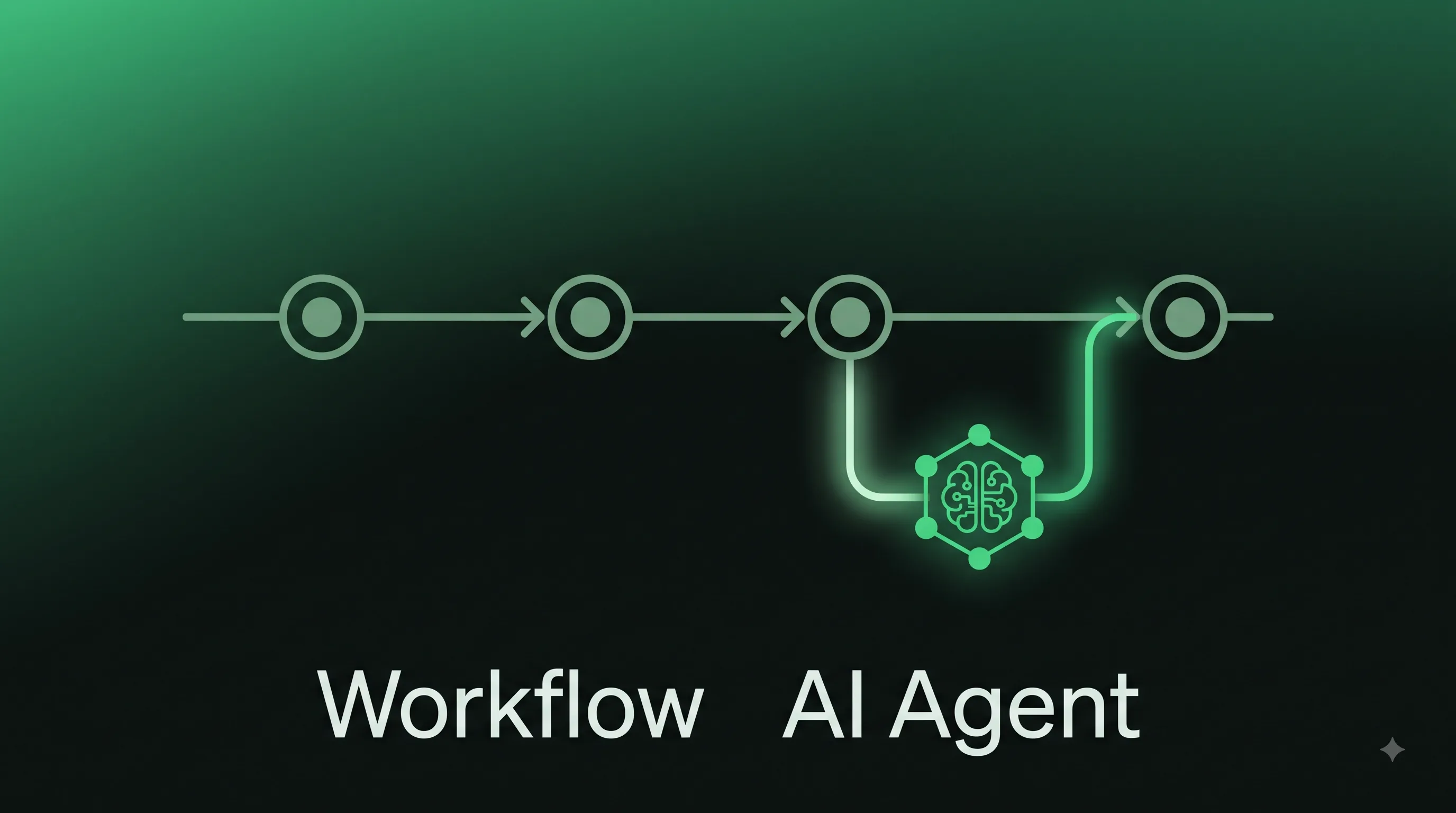
[In Practice] Workflow and Agent
I’ve just wrapped up a phase of work, so it’s a good time to write up some recent dev notes and the thinking behind them. Back in early April this year, I got an email from Richard, one of the maintainers of Hive. We traded views on AI agents. Here’s what I wrote back, translated from the Chinese original: Hi Richard, I apologize for the delayed response; your email was mistakenly filtered into my spam folder. First of all, I'm very pleased that you've noticed my development work. I will briefly share my perspective on AI agents and their applications, but this is strictly my personal view. If you have different thoughts or opinions, I welcome you to reply so we can discuss and exchange ideas. Regarding the currently popular AI agents, I actually haven't used similar types of agents, such as OpenClaw, at this stage. The reason is that for most of my current needs and habitual use cases, I can handle them by creating workflows myself through AI-coding. I currently don't require an agent to automate every task for me, perhaps simply because I haven't yet encountered a scenario where that specific need arises. I've observed that many users in the community don't clearly distinguish between the respective functions of workflows and AI agents, which is why we often see complaints about excessive token consumption. In reality, many requirements follow fixed process patterns. For these scenarios, it is highly suitable to organize them into workflows that are executed via crontab or event triggers. In this context, token usage is zero, and the stability of the process is significantly increased. I have been following the Hive project, but I haven't had a chance to dive into it yet, and I apologize if that is disappointing. I have looked at some of the project's content, and I believe if I have a future use case, I will prioritize adopting it. I will certainly reach out at that time to discuss and exchange thoughts with you on any functional matters. Thank you. BR, Tai And his reply
-
[Dev Note] Gemini 3's PDF Black Magic: From Token Explosion to Painless All-You-Can-Eat
Preface: PDF Black Magic in the Gemini 3 Era As a developer who loves integrating AI into side projects, my relationship with Google Gemini over the past six months has been like a roller coaster: from a honeymoon phase to a disappointing breakup (turning to hand-coded wheels), and finally to today—where I’ve fallen in love with it all over again. Today, I want to talk about a “silent but massive” change in Gemini 3’s PDF Document Processing. If you, like me, used to get headaches from token explosions caused by converting PDFs to images for Gemini’s file API, and had to look for other solutions (to markdown, OCR, vision models), then I have to say, “Go home, everybody!”
-
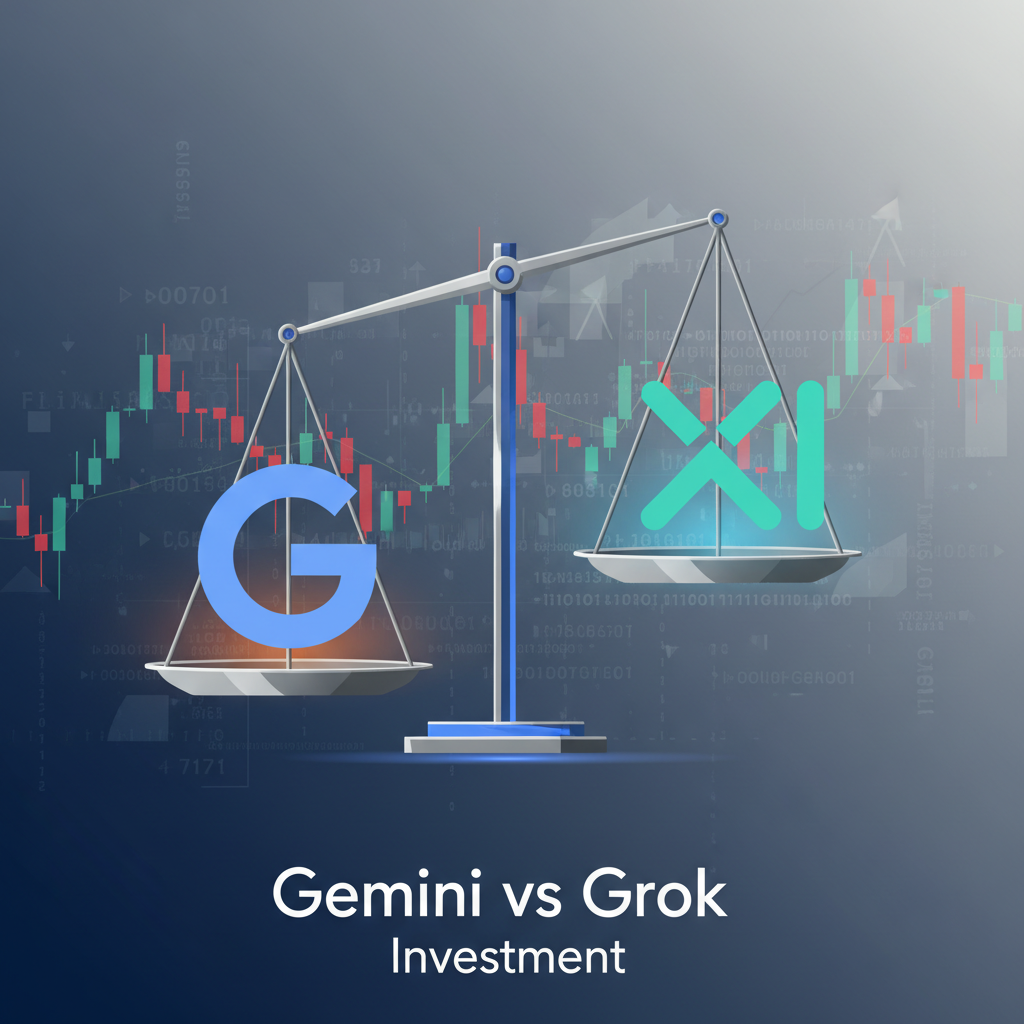
Gemini vs Grok Competitive Analysis: A Capital Battle for Ecosystem and Data Supremacy
In the tech investment landscape of 2025, the most compelling showdown is undoubtedly between Google’s Gemini and xAI’s Grok. This is not just a technical contest between two Large Language Models (LLMs), but a collision of two distinct business models and capital logics. With xAI’s valuation nearing $230 billion in recent funding talks, and Alphabet (Google’s parent company) pushing its annual capital expenditure (Capex) above $90 billion, this “AI Arms Race” has entered a critical deep-water zone. This article dissects the competitive advantages and moats of these two giants from an investment and industry analysis perspective.
-
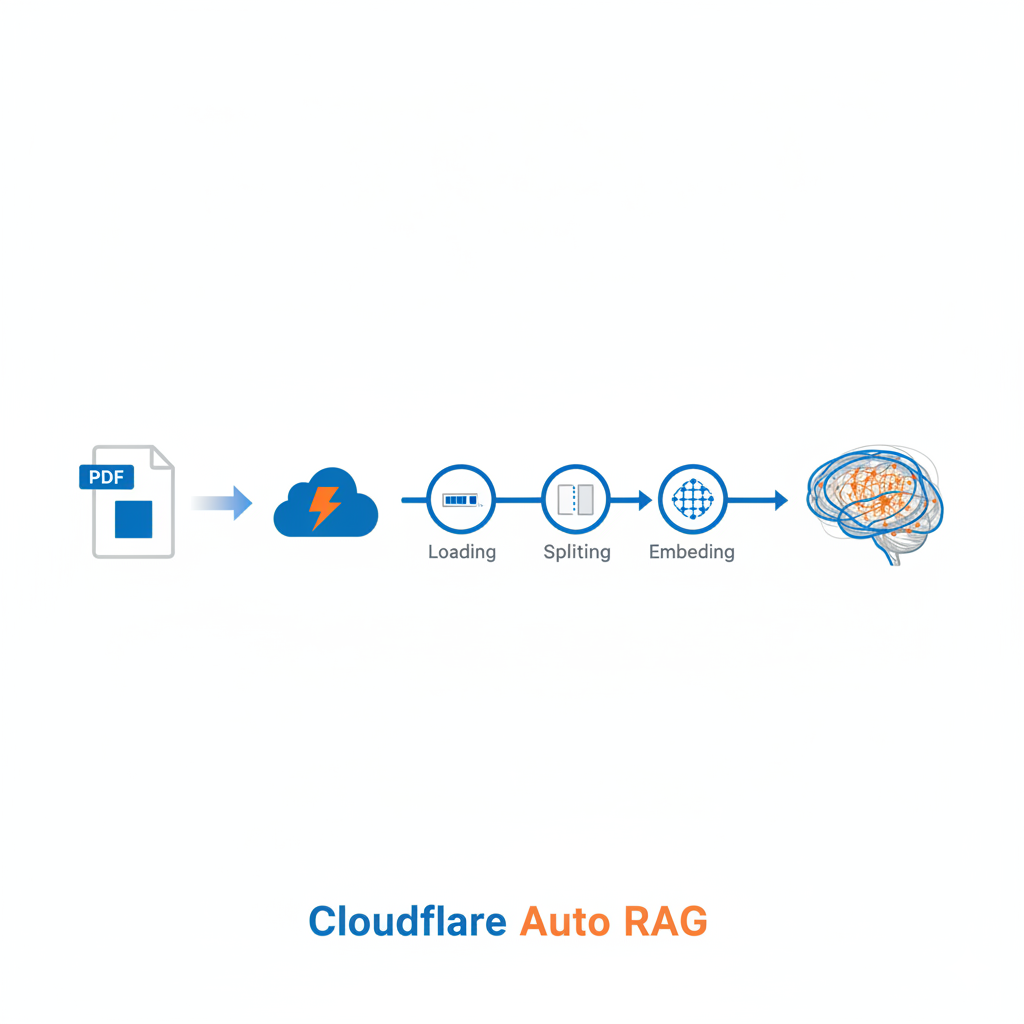
[Tutorial] Getting Hands-On with Cloudflare Auto RAG
Preface: AI + LLM = A Second Brain? A few days ago, I came across a post in a Facebook group discussing how AI + LLM can act as a second brain. As I recall, the author’s example involved integrating Obsidian (a note-taking app) with an LLM plugin. This allows your past notes to truly become a brain, where you can explore your own content by conversing with the LLM.
-
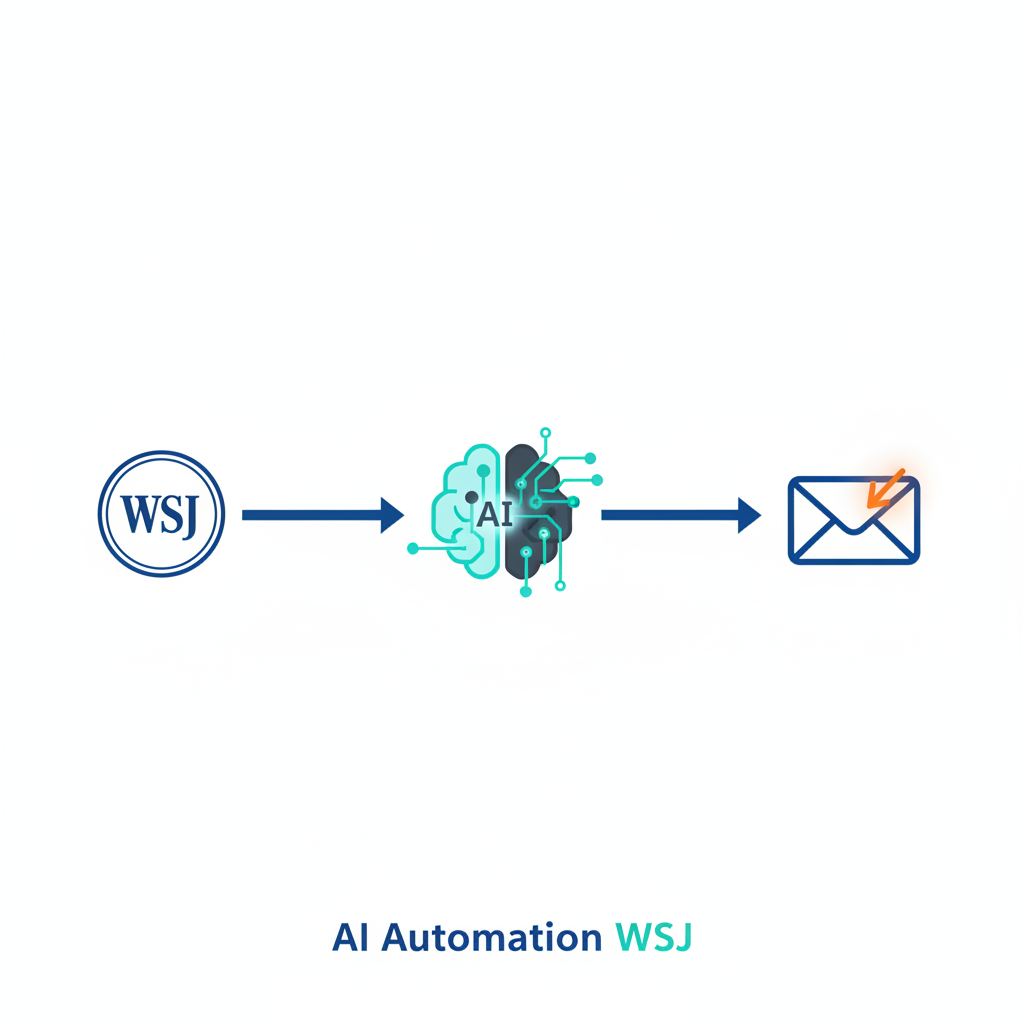
[Tutorial] Automating WSJ AI Summaries and Emailing Them
Introduction: A Lazy Idea Around March of this year (2025-03), I was chatting with a colleague who mentioned he had recently subscribed to The Wall Street Journal. He also receives the daily print version of the WSJ in his email. However, for a working engineer, reading a full newspaper every day is a luxurious fantasy—perhaps it is for most people in this modern era. Having shorter key points and summaries would be helpful for daily information consumption. It would be even better if it could further filter for useful information.