Blogs
-
[Dev Note] Gemini 3's PDF Black Magic: From Token Explosion to Painless All-You-Can-Eat
Preface: PDF Black Magic in the Gemini 3 Era As a developer who loves integrating AI into side projects, my relationship with Google Gemini over the past six months has been like a roller coaster: from a honeymoon phase to a disappointing breakup (turning to hand-coded wheels), and finally to today—where I’ve fallen in love with it all over again. Today, I want to talk about a “silent but massive” change in Gemini 3’s PDF Document Processing. If you, like me, used to get headaches from token explosions caused by converting PDFs to images for Gemini’s file API, and had to look for other solutions (to markdown, OCR, vision models), then I have to say, “Go home, everybody!”
-
【Deep Analysis】Gemini 3 Counterattack (Part 3): TPU vs. GPU — The Silicon Philosophy Battle and Investment Strategy
Prologue: Two Philosophies on Silicon Chips In the previous two analyses, we moved from the “price war of business models” to the “new battlefield of Physical AI”. Now, we want to uncover the most underlying logic of this proxy war—this is not just a competition between Google and Nvidia, but a collision of two distinct computing philosophies in the computer science world. The result of this collision will determine the profit distribution of the AI industry in the next decade, and who can hold the final key to Artificial General Intelligence (AGI).
-
【Deep Analysis】Gemini 3 Counterattack (Part 2): From Digital Brain to Physical AI (PAI) — The Jedi Counterattack of OpenAI and Nvidia
Prologue: Breaking Out of the “Brain in a Vat” Dilemma In the previous article, we analyzed how Google used the vertical integration of TPUs and the cost advantage of Gemini 3 to besiege OpenAI on the “cloud pure software” battlefield. If the future of AI is merely generating text, images, or writing code, then OpenAI will be extremely passive in this price cutthroat war. However, another revolution in Silicon Valley is quietly happening. Current LLMs (Large Language Models) are essentially “Brains in a Vat”. They are trapped in server rooms, talking to the world through APIs, but are always subject to the terminal high walls built by Google (Android) and Apple (iOS).
-
【Deep Analysis】Gemini 3 Counterattack (Part 1): The Proxy War Between Google and Nvidia
Prologue: When Silicon Valley’s “Cold War” Turns into a “Hot War” Over the past two years, the AI industry seems to have experienced a typical “disruptor story”: the agile startup OpenAI, relying on ChatGPT and Nvidia’s powerful computing power, caught the former tech giant Google off guard. The market narrative at the time was simple and crude—Google was too slow and had too much baggage, and seemed destined to become the next Yahoo or Kodak in this new era of generative AI.
-
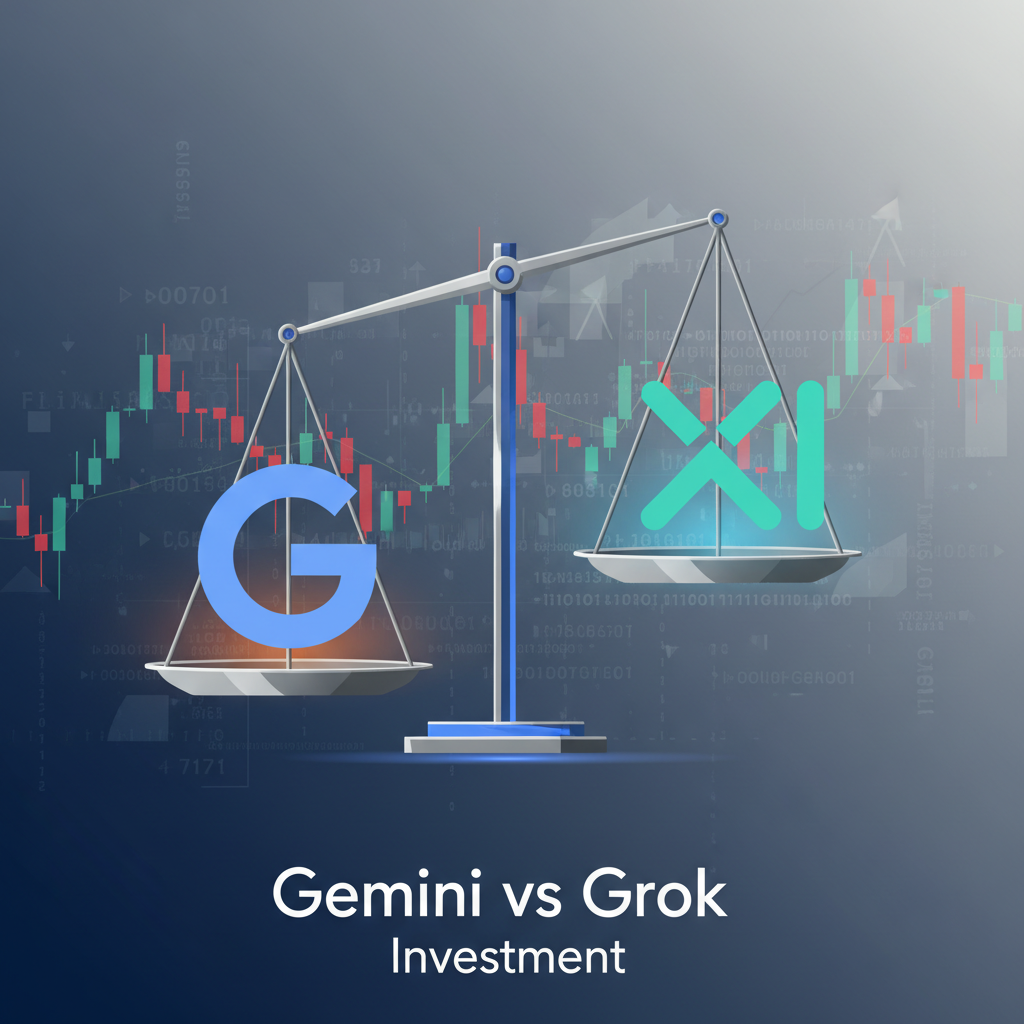
Gemini vs Grok Competitive Analysis: A Capital Battle for Ecosystem and Data Supremacy
In the tech investment landscape of 2025, the most compelling showdown is undoubtedly between Google’s Gemini and xAI’s Grok. This is not just a technical contest between two Large Language Models (LLMs), but a collision of two distinct business models and capital logics. With xAI’s valuation nearing $230 billion in recent funding talks, and Alphabet (Google’s parent company) pushing its annual capital expenditure (Capex) above $90 billion, this “AI Arms Race” has entered a critical deep-water zone. This article dissects the competitive advantages and moats of these two giants from an investment and industry analysis perspective.
-
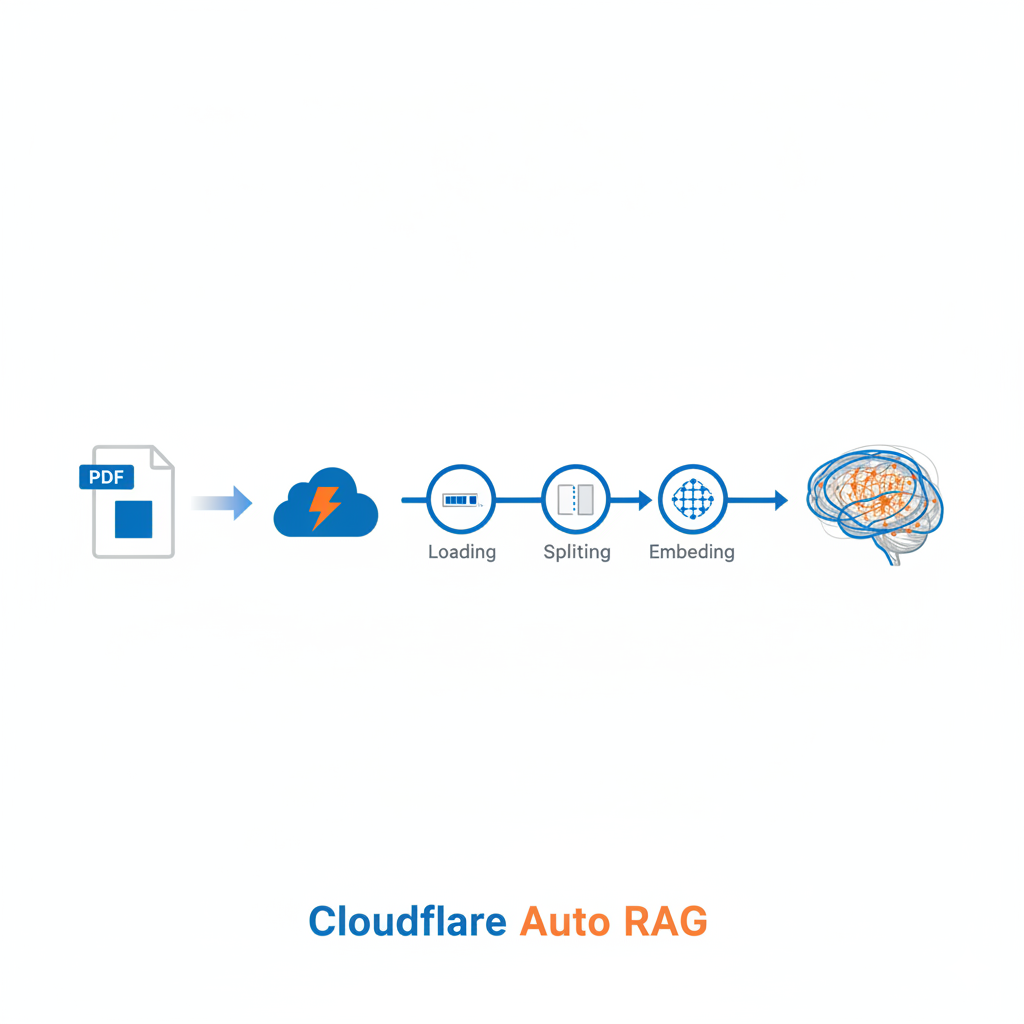
[Tutorial] Getting Hands-On with Cloudflare Auto RAG
Preface: AI + LLM = A Second Brain? A few days ago, I came across a post in a Facebook group discussing how AI + LLM can act as a second brain. As I recall, the author’s example involved integrating Obsidian (a note-taking app) with an LLM plugin. This allows your past notes to truly become a brain, where you can explore your own content by conversing with the LLM.